Understanding Spine Surgery: Techniques, Benefits, and Modern Advances
Introduction
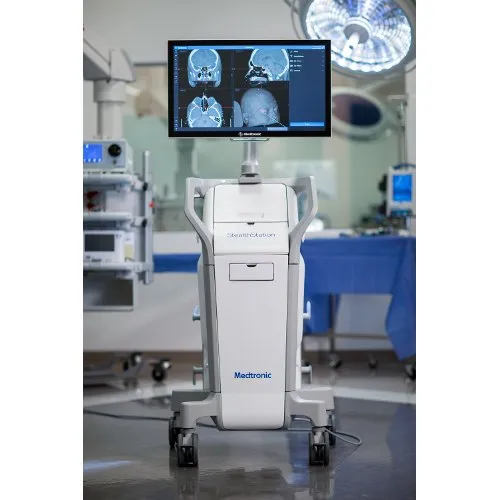
Spine surgery is a critical medical procedure designed to address structural problems in the spinal column, including deformities, injuries, or degenerative conditions. With advancements in medical technology, such as minimally invasive techniques and navigation-assisted surgery, spine surgery has become safer, more precise, and more effective.According to the American Association of Neurological Surgeons (AANS), nearly 500,000 spine surgeries are performed annually in the U.S. alone, highlighting its importance in improving quality of life for patients suffering from spinal disorders.
Why Spine Surgery is Performed
Spine surgery is usually considered when conservative treatments such as medications, physical therapy, or injections fail to relieve symptoms. Common reasons include:
- Herniated discs causing nerve compression.
- Spinal stenosis, narrowing of the spinal canal.
- Scoliosis or abnormal curvature of the spine.
- Spinal fractures due to trauma or osteoporosis.
- Spinal tumors that require surgical removal.
- Chronic back pain unresponsive to non-surgical care.
Types of Spine Surgery
1. Discectomy
- Removal of part of a herniated disc that compresses spinal nerves.
2. Laminectomy
- Relieves pressure by removing part of the vertebra called the lamina.
3. Spinal Fusion
- Joins two or more vertebrae to stabilize the spine, commonly used in scoliosis or degenerative disc disease.
4. Artificial Disc Replacement
- An alternative to fusion, replacing damaged discs with artificial implants.
5. Minimally Invasive Spine Surgery (MISS)
- Uses small incisions and specialized instruments, leading to faster recovery and reduced complications.
Chart: Growth of Spine Surgery Worldwide
| Year | Number of Surgeries (in millions) | Growth Rate (%) |
|---|---|---|
| 2015 | 3.2 | - |
| 2020 | 4.1 | 28% |
| 2025 (Projected) | 5.3 | 29% |
Source: Global Spine Surgery Market Report, 2023
Case Study: Successful Spine Surgery with Navigation
Patient: 45-year-old male with spinal stenosis.
Procedure: Minimally invasive laminectomy with navigation assistance.
Outcome:
- Surgery time reduced by 30%.
- Post-op hospital stay: 2 days (compared to 5 in traditional surgery).
- Pain levels reduced significantly within 4 weeks.
This highlights how navigation technology improves precision, reduces recovery time, and enhances patient outcomes.
Use Cases of Spine Surgery
- Sports Injuries: Athletes with disc herniation often require quick recovery; minimally invasive techniques help them return to activity faster.
- Elderly Patients: With osteoporosis-related fractures, surgical stabilization prevents worsening deformities.
- Scoliosis Correction: Adolescents with severe spinal curvature undergo spinal fusion to restore posture.
- Chronic Back Pain: Patients unresponsive to therapy often benefit from fusion or disc replacement.
Frequently Asked Questions (FAQ)
1. Is spine surgery risky?
All surgeries have risks, but modern navigation systems and minimally invasive techniques have reduced complications significantly.
2. How long is the recovery time?
Recovery varies depending on the type of surgery. Minimally invasive spine surgery may take a few weeks, while traditional fusion may take several months.
3. Will I need physical therapy after spine surgery?
Yes, physical therapy is a critical part of recovery to restore mobility and strengthen muscles.
4. Are there alternatives to spine surgery?
Yes, treatments like medications, physiotherapy, injections, and lifestyle changes are recommended before surgery.
5. What is the success rate of spine surgery?
Studies report a 70–90% success rate, depending on the condition and surgical approach.
External Resources for Reference
- American Association of Neurological Surgeons – Spine Conditions
- National Institutes of Health – Spine Surgery Research
- World Health Organization – Musculoskeletal Disorders
- Spine Navigation - Overview
Conclusion
Spine surgery has evolved remarkably, moving from traditional open surgeries to highly precise, minimally invasive, and navigation-assisted techniques. These advances not only improve surgical outcomes but also enhance patient recovery and safety. With the growing incidence of spinal disorders worldwide, the role of modern spine surgery will continue to expand.For patients suffering from persistent spinal conditions, consulting a qualified spine specialist and exploring the available surgical options can be life-changing.